


Celebrating Women’s Month
By Cadasta Staff
True gender equality is rooted not only in social and political rights, but in something far more fundamental: land. For millions of women around the world, land is the foundation of food security, economic stability, community leadership, and environmental stewardship.
Despite women’s central role in sustaining families and ecosystems, women remain dramatically underrepresented in land ownership and land-related decision-making. At Cadasta, we see the consequences of this imbalance everywhere we work. When women lack formal recognition of their land rights, they face systemic barriers to earning income, investing in their families, and protecting their land from environmental and economic shocks. Conversely, when women’s rights are recognized, the effects extend far beyond individual households; entire communities become healthier, more resilient, and more equitable.
In celebration of Women’s Month, we share the impact of women who are claiming their rightful place as landholders and leaders and the partners working alongside them to make that possible.
Why Gender Equity in Land Matters
The evidence is clear. When women have secure land rights, the benefits ripple outward. Children are healthier and more likely to stay in school. Household incomes increase. Women invest more in sustainable land and soil management. Communities are better equipped to adapt to climate change.
Yet women still own less than 20% of the world’s land, despite producing much of the world’s food and performing the majority of agricultural labor in many regions. Discriminatory laws, social norms, and limited access to legal and digital tools continue to block women from owning, inheriting, or controlling land, even when the evidence shows that gender-equitable land rights benefit everyone.
That’s why Cadasta works with partners to intentionally center women in land documentation and governance. Gender equity does not happen by default; it must be deliberately built into every stage of a land rights process, from community engagement to data collection to legal recognition.
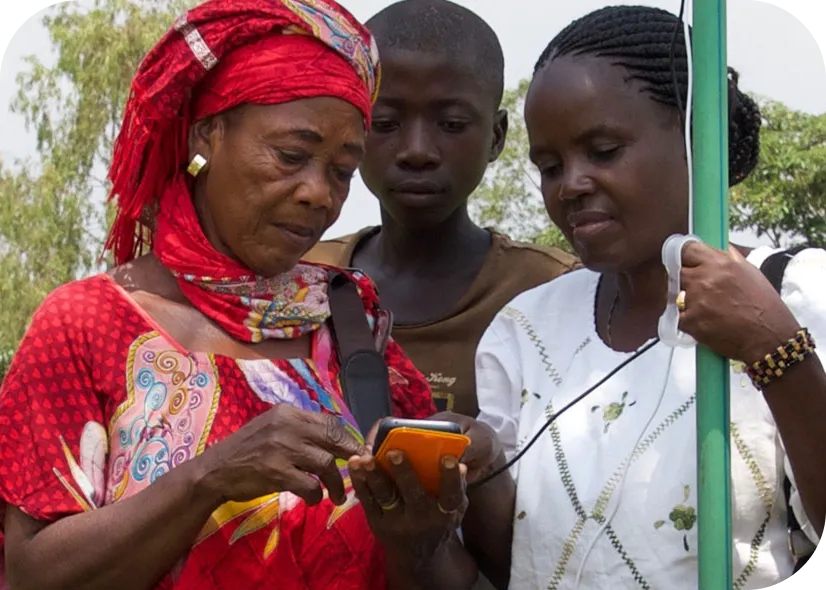
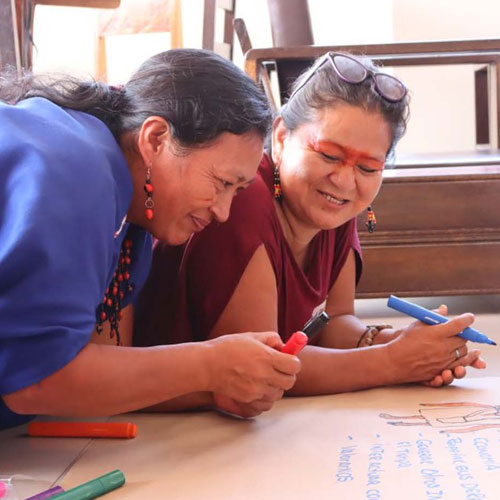
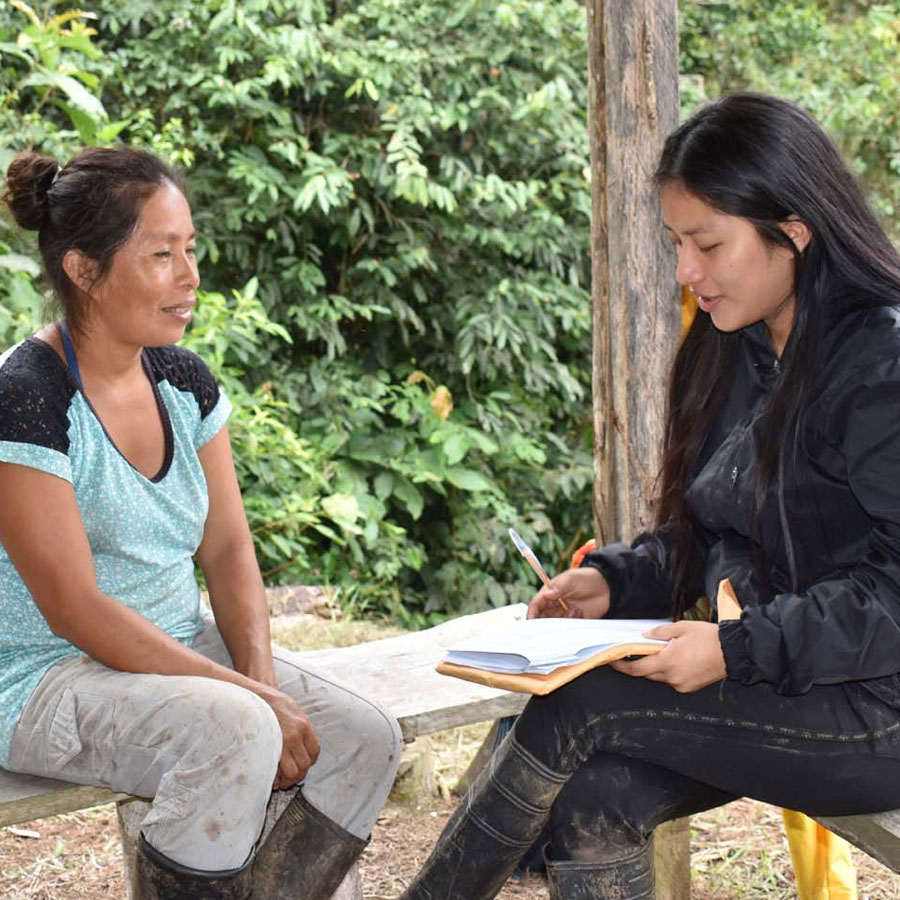
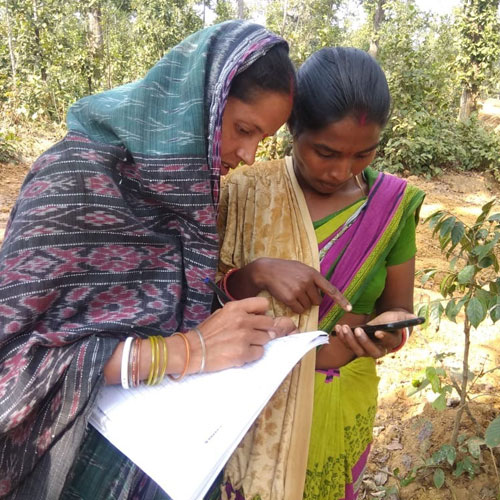
Women Leading Change: Three Examples from the Field
Across Cadasta’s work, the impacts of gender-equitable land rights are not theoretical. They are visible in communities where women—often previously invisible in land records—are now formally recognized as rights holders and decision-makers.
Brazil: Securing Titles, Strengthening Equality
In Bonito, Brazil, women from Espaço Feminista usedCadasta’s tools to map properties and document land claims, dramatically accelerating land formalization. As a result, women were recognized as independent or joint landowners in 85% of issued titles. This shift has strengthened household security and given women a formal voice in local land and housing decisions, changing not only who holds land but also shapes its future.
India: Advancing Equity Through the Forest Rights Act
In India, Cadasta works with partners including ARCH Vahini and Waatavaaran to support implementation of the Forest Rights Act. Historically, women were often excluded from forest land documentation. Today, in Cadasta-supported projects, 90% of Individual Forest Rights titles now include both spouses’ names, strengthening women’s legal recognition and enabling them to take a more active role in forest governance, conservation, and climate resilience.
Uganda: Breaking Barriers to Women’s Land Ownership
Since 2019, Cadasta has partnered with Uganda’s Ministry of Lands, Housing and Urban Development and Uganda Community Based Association for Women and Children’s Welfare (UCOBAC) to document customary land rights across five districts. Through legal literacy and gender-inclusive documentation, 77% of documented parcels are now owned or co-owned by women. For many families, this marks the first time women’s land rights have been formally recognized. Every day these rights unlock greater security, confidence, and opportunity.
The Path Forward
True gender equality cannot exist without land equality. As climate pressures intensify and food insecurity grows, the leadership of women landholders and land defenders has never been more critical.
This International Women’s Day, Cadasta reaffirms its commitment to gender-equitable land governance. Because women belong not just in conversations about land, but at the forefront of the decisions shaping it.