From Ground to Cloud: Making Land Rights Visible

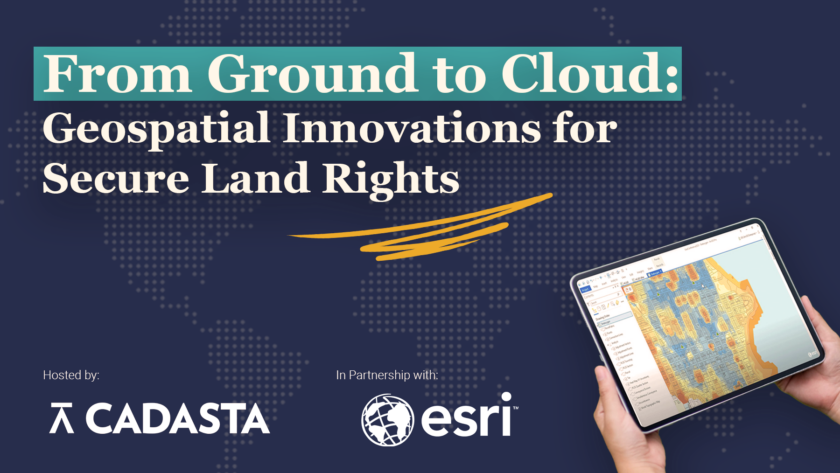
By Cadasta Staff Land rights are not invisible because they don’t exist. They are invisible because the systems meant to recognize them were never designed to capture how communities understand and govern their land.  On April 8th, Cadasta and Esri brought together practitioners, technologists, and land governance experts to examine what it takes to…
Read More

Regeneration Begins With Recognition

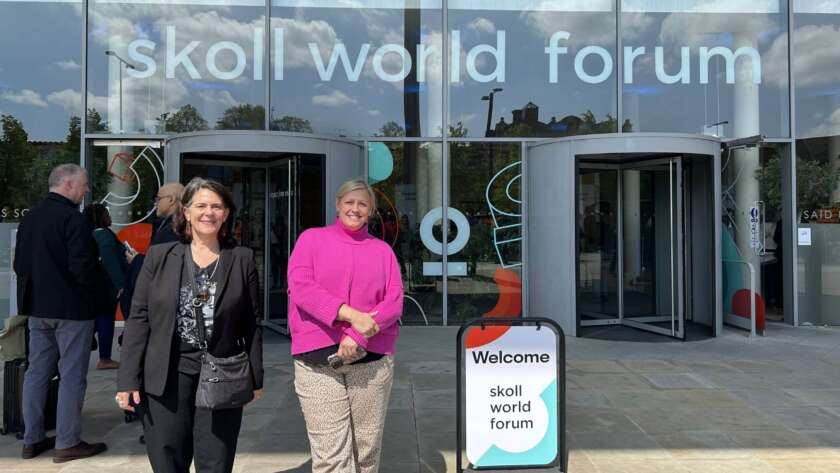
Reflections from the Skoll World Forum  by Heidi Burgess and Amy Coughenour Betancourt  After participating in the events around this year’s Skoll World Forum in Oxford, UK, the theme of “Regeneration,” along with our many conversations with practitioners and funders, left us with both a profound sense of urgency and a renewed sense of possibility.…

Read More

Making Meaning Out of Maps: Reflections from the DRC

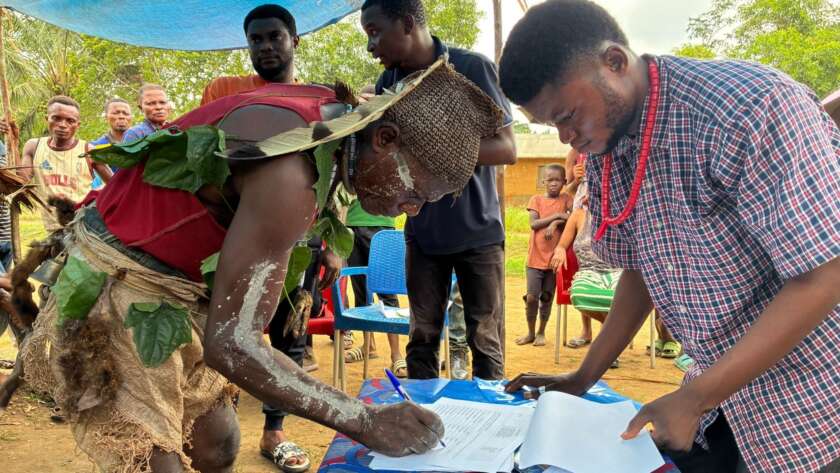
By Samuel Mboh, Program Specialist for West and Central Africa In Equateur Province, Democratic Republic of the Congo (DRC), field engagement with partners from Solidarité pour la Promotion des Femmes Autochtones (SPFA) and local communities provided a clear view of how land governance and tenure security intersect with efforts to reduce deforestation.  One insight that…

Read More

Why Land Systems Fail and How Uganda is Doing Things Differently

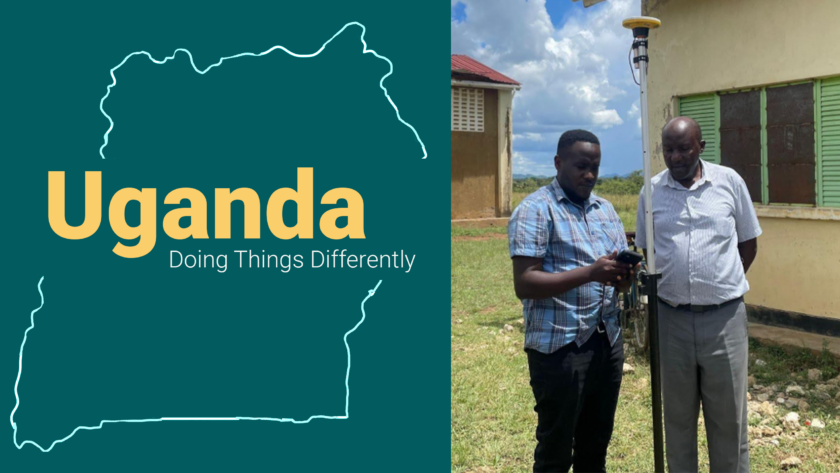
By Wambayi Wabwire, Land Administration Advisor Land underpins identity, livelihoods, and social stability. Yet across Uganda, where roughly 80 percent of land is held under customary tenure, the majority of people still lack formal recognition of their rights. Without documentation, families remain vulnerable to disputes, displacement, and the loss of ancestral land.  This gap persists…

Read More

What Makes Impact Last: Cadasta at the Skoll World Forum

By Cadasta Staff This month, Skoll World Forum returns to Oxford at a time when the social impact sector is under real pressure to evolve. Across the sector, long-standing assumptions about funding, scale, and sustainability are being tested. Aid is tightening, expectations for accountability are rising, and many of the systems meant to support impact…

Read More

From Policy to Practice: Cadasta and the Jacobs Futura Foundation Partner to Advance Community Land Rights in the Democratic Republic of the Congo

By Cadasta Staff The Democratic Republic of the Congo (DRC) is entering a pivotal moment for community land rights.  In July 2025, the President of the Democratic Republic of the Congo signed into law new land use planning legislation,Law No. 25/045. This new law formally recognizes customary land rights within the country’s land use planning…

Read More

Participatory Mapping as an Impartial Intermediary

By Cadasta Staff Typical conflict resolution strategies often require a mediator.  For Indigenous land-related conflicts and boundary validations, participatory mapping and technology can serve that role. Participatory mapping is a community-led process in which local people lead the creation of maps that combine spatial knowledge and lived experience. It is a locally led process, often…

Read More

Forests Don’t Need Saving. They Need Recognition.

By Cadasta Staff Three Key Lessons After Ten Years of Work  Each year, the International Day of Forests (March 21st) arrives with urgent warnings of accelerating deforestation, biodiversity loss, and forests under pressure from climate change, extractive industries, and weak governance. The proposed solutions are often technical or financial, involving greater monitoring, additional offsets, and…

Read More

Webinar: Geospatial Tools, Stronger Land Rights: Insights from Cadasta and Esri, Inc.

By Cadasta Staff Around the world, millions of people live and work on land that is not formally documented in systems that governments can easily recognize or use. Community knowledge about land and resource boundaries often exists only in paper maps, hand-drawn sketches, ancestral lore, PDFs, or disconnected spreadsheets, making it difficult to validate claims,…

Read More

Why Land Rights Are Women’s Rights

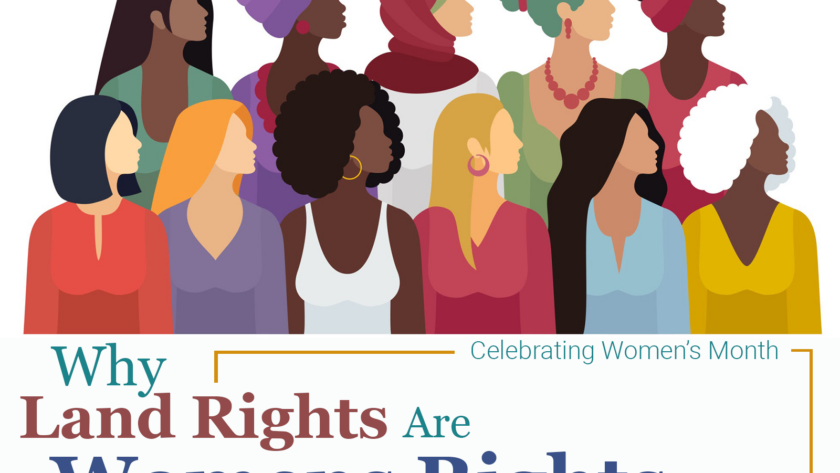
Celebrating Women's Month By Cadasta Staff True gender equality is rooted not only in social and political rights, but in something far more fundamental: land. For millions of women around the world, land is the foundation of food security, economic stability, community leadership, and environmental stewardship.  Despite women’s central role in sustaining families and ecosystems,…

Read More